
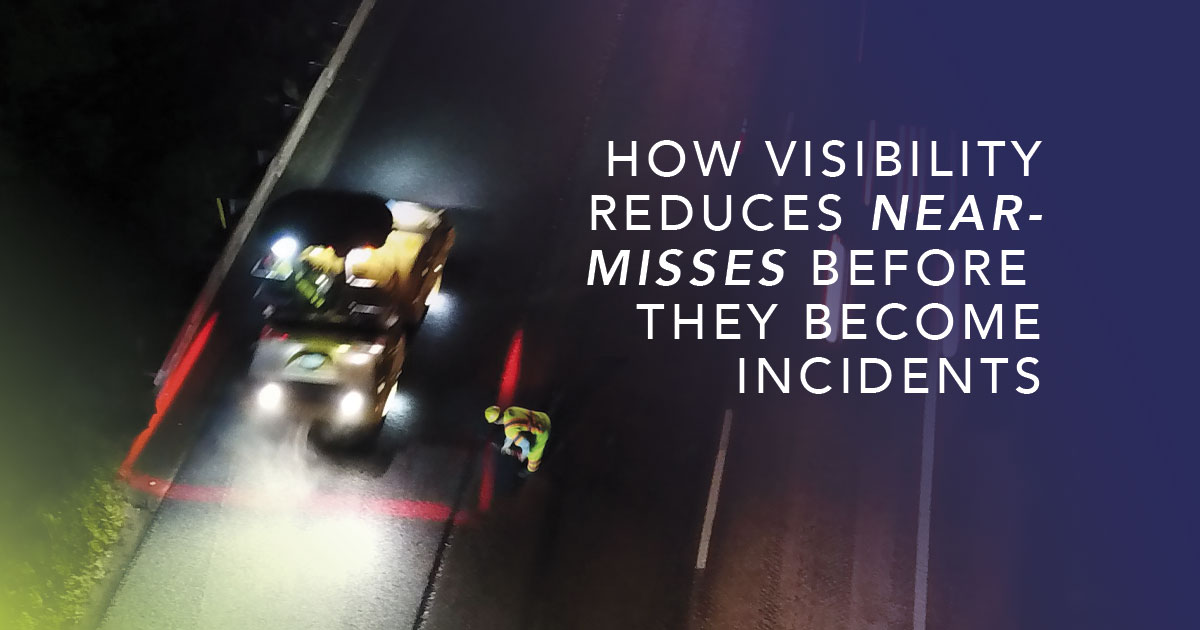
Near-misses are not random events.
They are early warnings.
In mobile-equipment environments, most near-misses occur because recognition happens late. An operator sees movement at the last second. A pedestrian assumes they’ve been noticed. A vehicle or machine stops abruptly. Everyone walks away—but risk remains.
High-visibility apparel directly interrupts this pattern.
ANSI Class 2 and Class 3 hi-vis apparel increases the distance at which a person is recognized, not just noticed. Earlier recognition gives operators time to slow gradually instead of braking suddenly, to steer smoothly instead of reacting instinctively.
When visibility improves:
- Sudden stops decrease
- Equipment paths become more predictable
- Pedestrian behavior becomes more confident and deliberate
Near-misses don’t disappear because people are more careful.
They disappear because people see each other sooner.
Reducing near-misses is not about perfection.
It’s about buying time—and visibility buys time.