
Seen. Safe. Secure.
Visibility Saves Lives. Risk Reduction Follows.
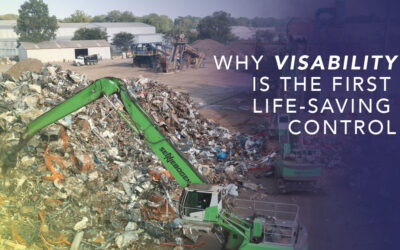
Why Visibility Is the First Life-Saving Control
In mobile-equipment environments, safety doesn’t fail all at once. It fails at the moment someone isn’t seen. Before alarms sound. Before sensors activate. Before procedures can be followed. A human being must be visible—clearly and early enough—for an operator...
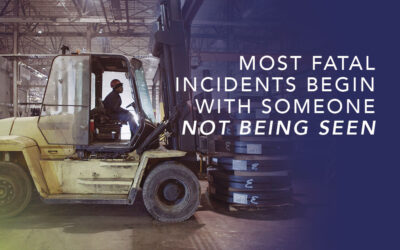
Most Fatal Incidents Begin With Someone Not Being Seen
Serious incidents are often explained after the fact with complex causes—procedural gaps, communication failures, weather, and/or equipment issues. But when you trace them back far enough, many begin with the same simple truth: Someone was not seen in time. In...
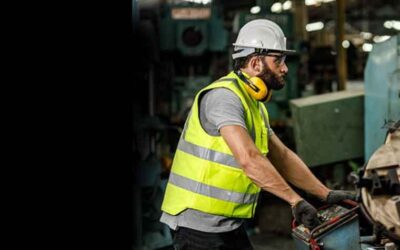
Reflective Striping Turns Shapes Into People
Color gets attention. Reflective striping creates recognition. In many struck-by incidents, operators report seeing something—but not realizing it was a person until it was too late. Reflective striping solves that problem by doing something critical: it turns...
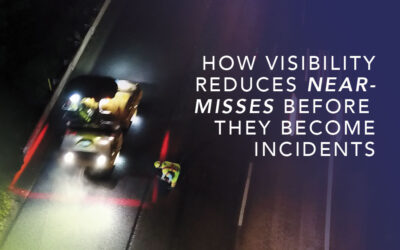
How Visibility Reduces Near-Misses Before They Become Incidents
Near-misses are not random events. They are early warnings. In mobile-equipment environments, most near-misses occur because recognition happens late. An operator sees movement at the last second. A pedestrian assumes they’ve been noticed. A vehicle or machine stops...
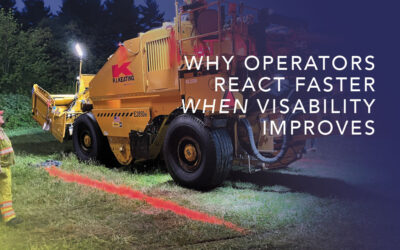
Why Operators React Faster When Visibility Improves
Reaction time is not just about skill or training. It’s about perception. Operators make hundreds of micro-decisions every shift. The quality of those decisions depends on how quickly the environment makes sense. High-visibility apparel simplifies that environment by...
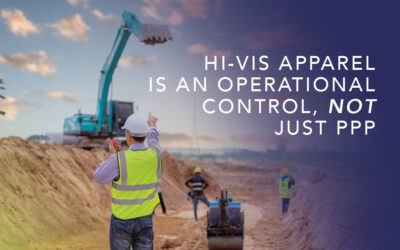
Hi-Vis Apparel Is an Operational Control, Not Just PPE
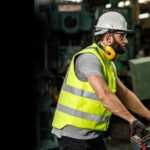
Hi-vis apparel is often discussed as personal protective equipment. But in active work zones, it functions as something more important: an operational control. Operational controls shape how work flows. They influence timing, spacing, and decision-making. When...
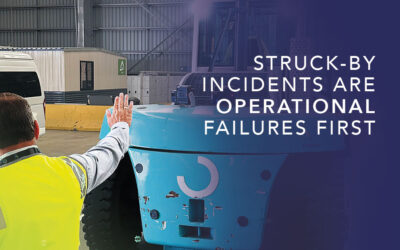
Struck-By Incidents Are Operational Failures First
Struck-by incidents are often labeled as safety failures. In reality, they are operational breakdowns with human consequences. They occur when: Movement is poorly coordinated Lines of sight are compromised Recognition happens too late Visibility directly addresses all...
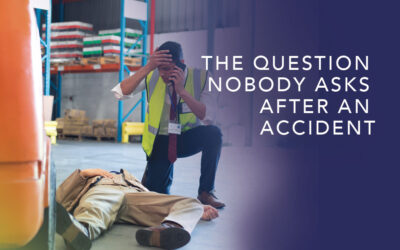
The Question Nobody Asks After an Accident
After a pedestrian is struck by equipment, investigations begin immediately. The reports look familiar: training records operator certification procedures cameras alarms policies But there is one question almost never asked: Was the person clearly recognizable as a...
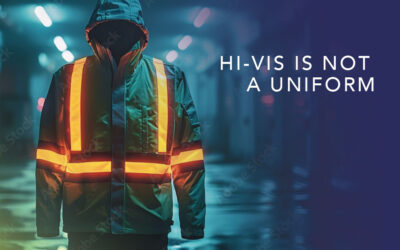
Hi-Vis Is Not a Uniform
Many companies treat high-visibility apparel as a dress code. Vest = compliant. No vest = violation. But high-visibility was never intended to be clothing policy. It is a recognition system. Operators do not identify workers by name, job title, or training level. They...
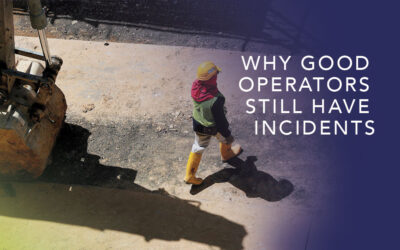
Why Good Operators Still Have Incidents
After incidents, a common reaction is: “The operator should have seen him.” But equipment operators do not see the worksite the way pedestrians think they do. Heavy equipment has visibility gaps: structural pillars bucket obstruction machine height differences depth...
Companies using the SEEN safety system include:
Let's Connect
To learn more or connect with us, please click below…

Copyright © 2024 All Equipment Solutions - All Rights Reserved.