
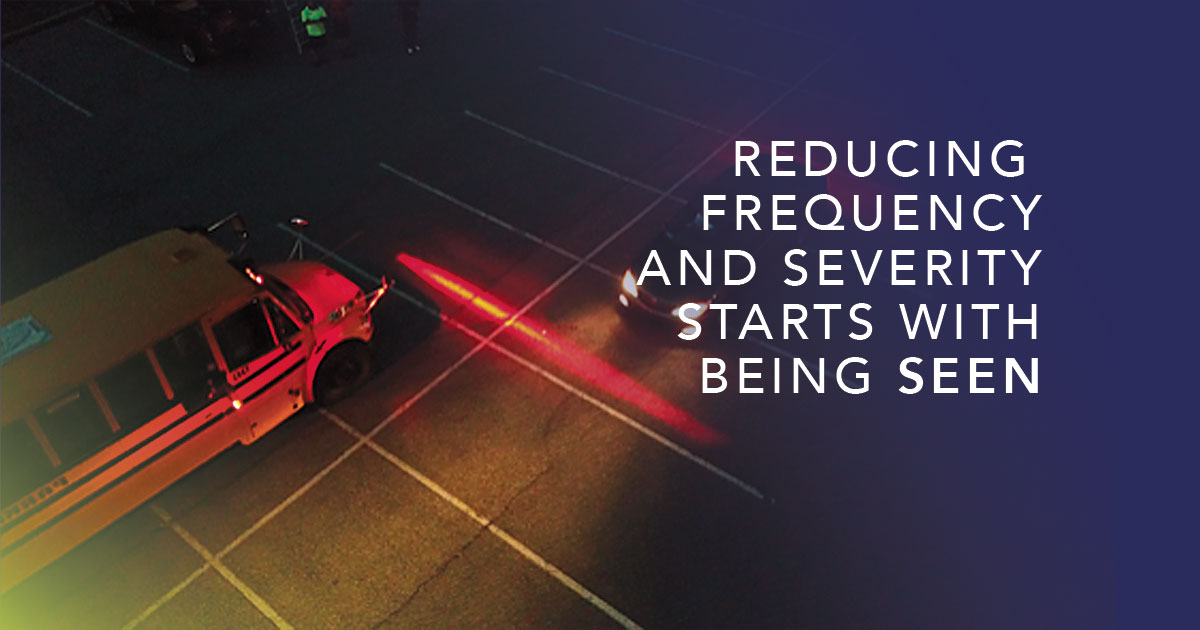
Insurance risk is shaped by two variables: frequency and severity.
Visibility influences both.
Earlier recognition of pedestrians reduces the likelihood of contact altogether, lowering incident frequency. When incidents do occur, earlier reaction time often leads to slower speeds, controlled braking, and less severe outcomes.
This distinction matters to insurers.
High-severity claims—those involving serious injury, fatality, or extensive equipment damage—drive long-term premium pressure and coverage restrictions. Visibility reduces the conditions that create those outcomes.
Hi-vis apparel and reflective striping do not eliminate risk.
They shift the curve, reducing how often incidents occur and how severe they become when they do.
From an insurance standpoint, that shift strengthens the overall risk profile of an operation.