The Visibility Risk Pyramid
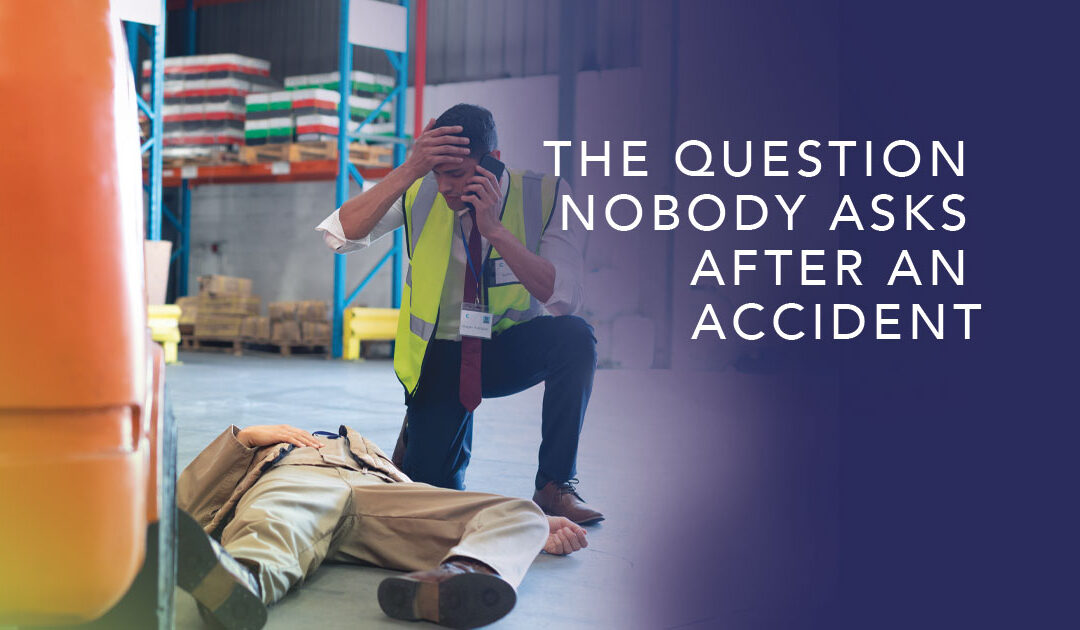
After a pedestrian is struck by equipment, investigations begin immediately. The reports look familiar: training records operator certification procedures cameras alarms policies But there is one question almost never asked: Was the person clearly recognizable as a...
The Visibility Risk Pyramid
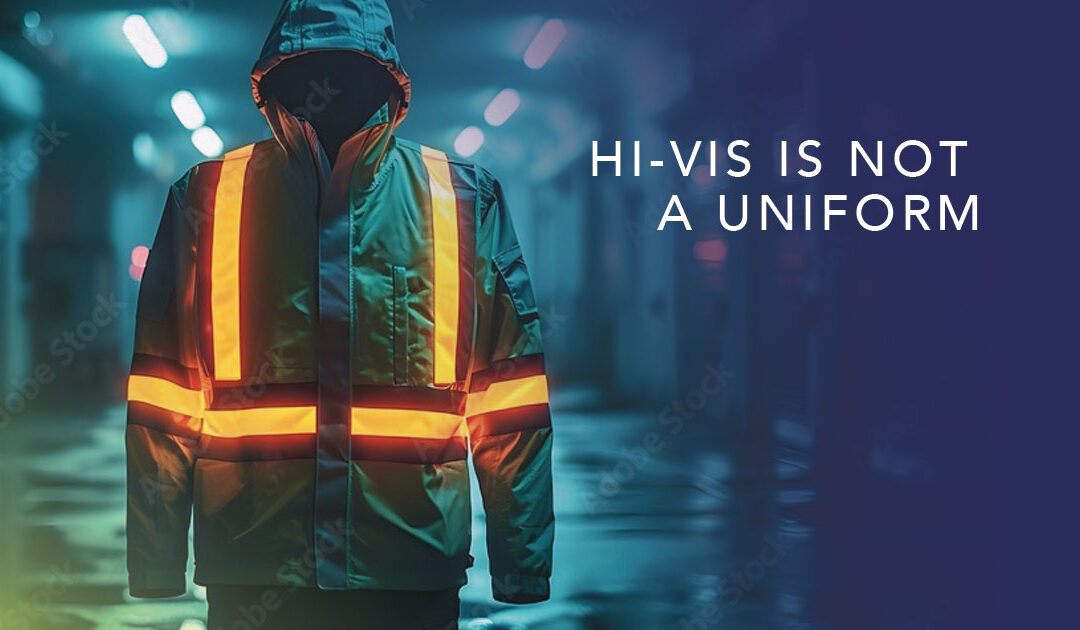
Many companies treat high-visibility apparel as a dress code. Vest = compliant. No vest = violation. But high-visibility was never intended to be clothing policy. It is a recognition system. Operators do not identify workers by name, job title, or training level. They...
The Visibility Risk Pyramid
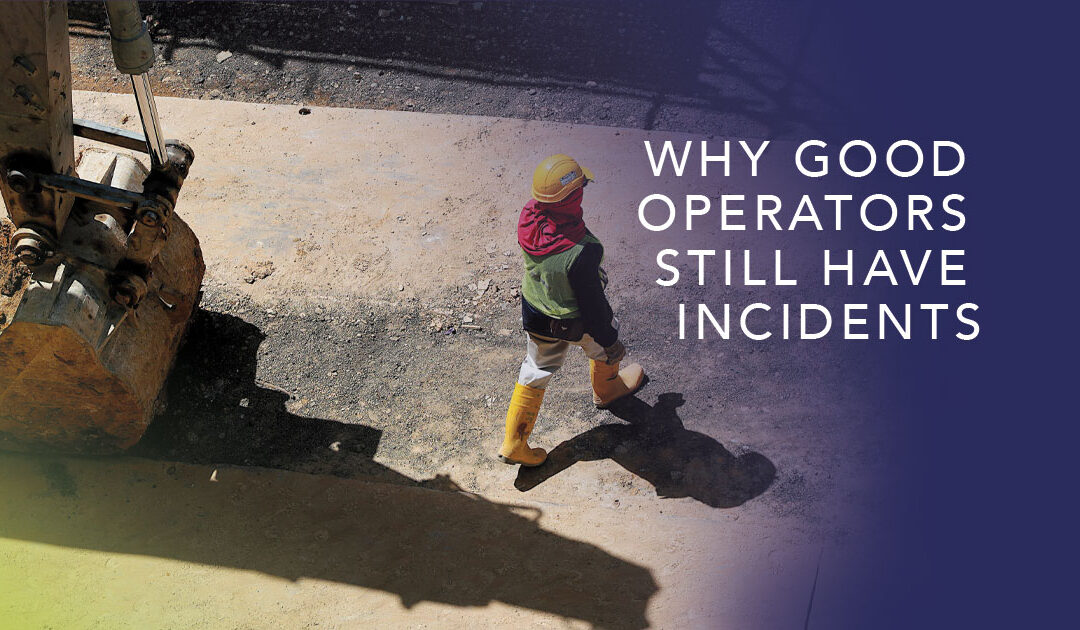
After incidents, a common reaction is: “The operator should have seen him.” But equipment operators do not see the worksite the way pedestrians think they do. Heavy equipment has visibility gaps: structural pillars bucket obstruction machine height differences depth...
The Visibility Risk Pyramid
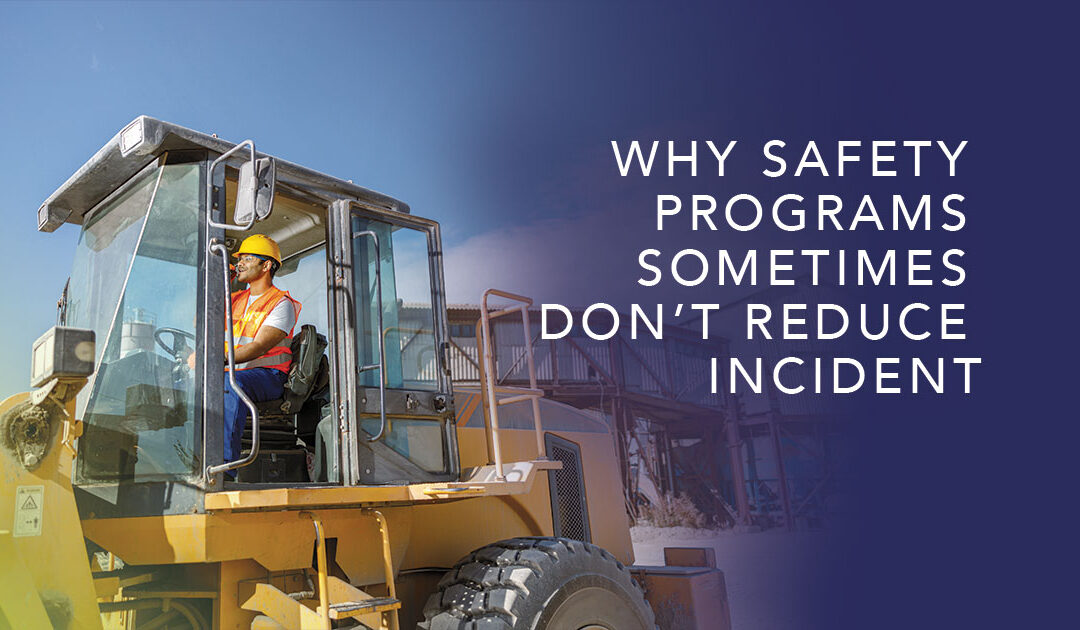
Many organizations do everything right: monthly safety meetings strong policies accountability discipline documented procedures Yet incidents still occur. This creates frustration because effort was real and commitment was genuine. The missing piece is often...
The Visibility Risk Pyramid
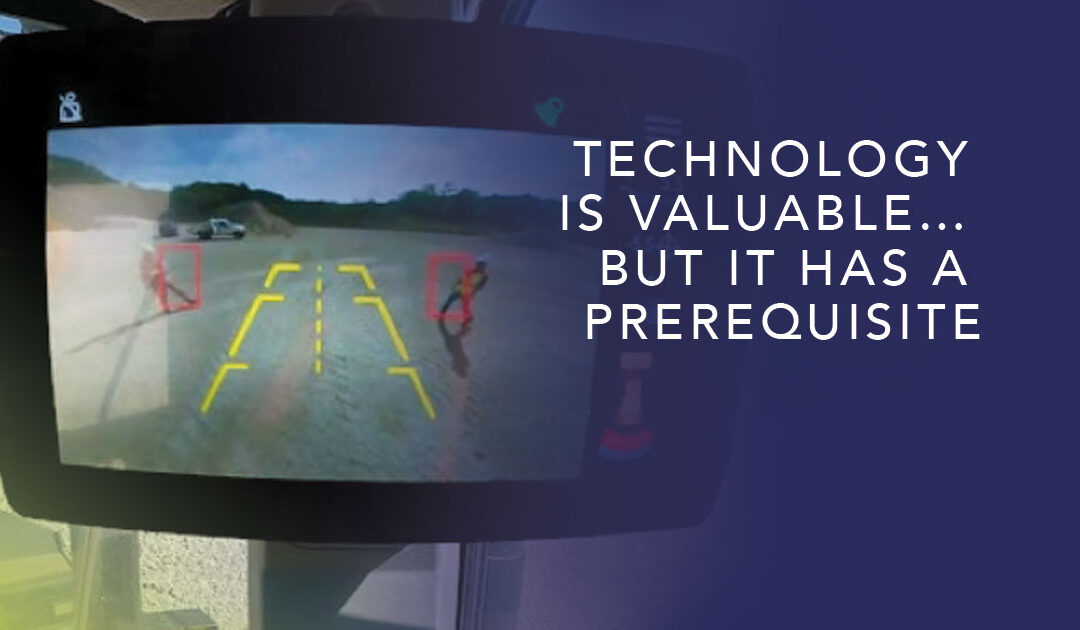
Modern equipment safety technology is impressive: cameras, detection systems, sensors, AI alerts. These tools help. But they are often expected to solve a problem they were never designed to solve. Technology assists operators. It does not replace human recognition....
The Visibility Risk Pyramid
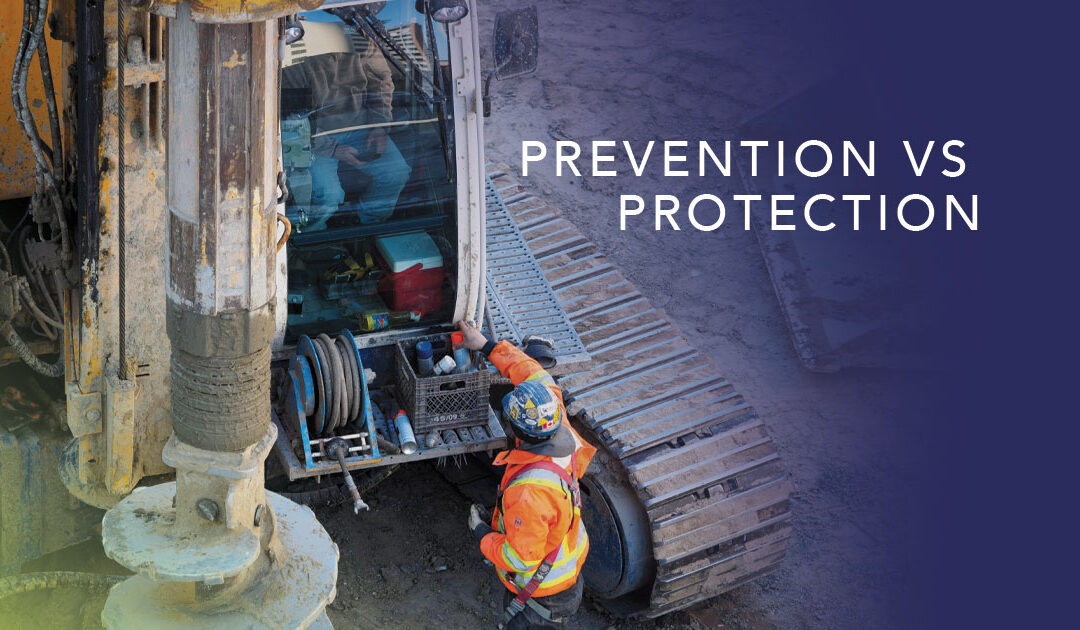
There are two kinds of safety: Protection safety — reducing injury severity Prevention safety — preventing the event Hard hats, steel toes, and guards protect. Recognition prevents. High-visibility belongs in prevention. The Hi-Visibility Pyramid helps organizations...
The Visibility Risk Pyramid
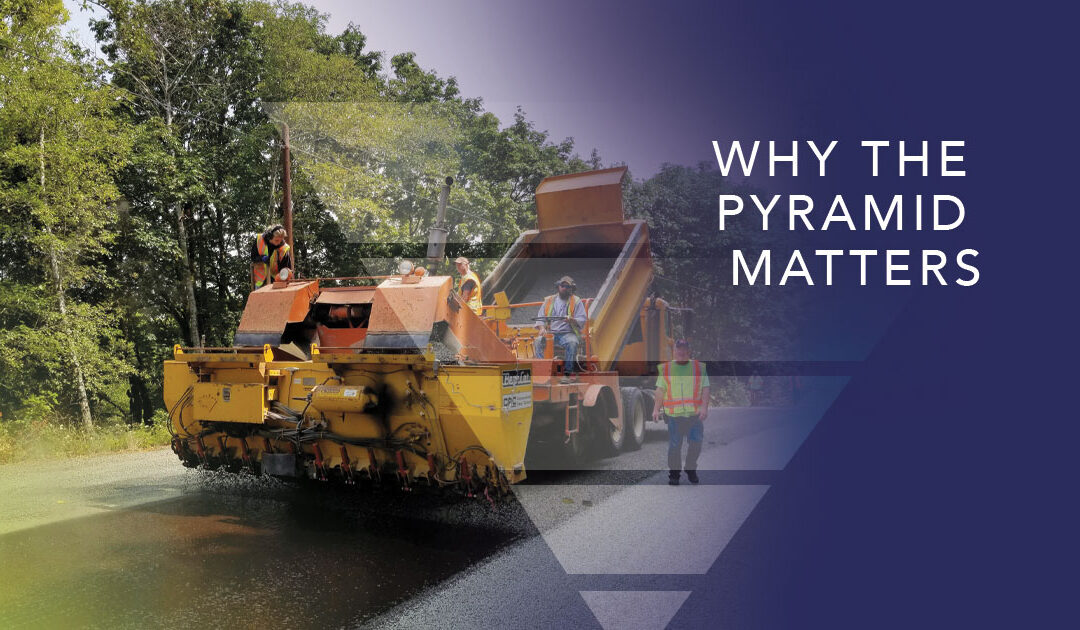
Companies often invest heavily in the top of safety: equipment systems, procedures, enforcement. But heavy-equipment environments operate on a simple reality: An operator cannot avoid what the brain has not yet identified. The Hi-Visibility Pyramid reframes safety...
The Visibility Risk Pyramid
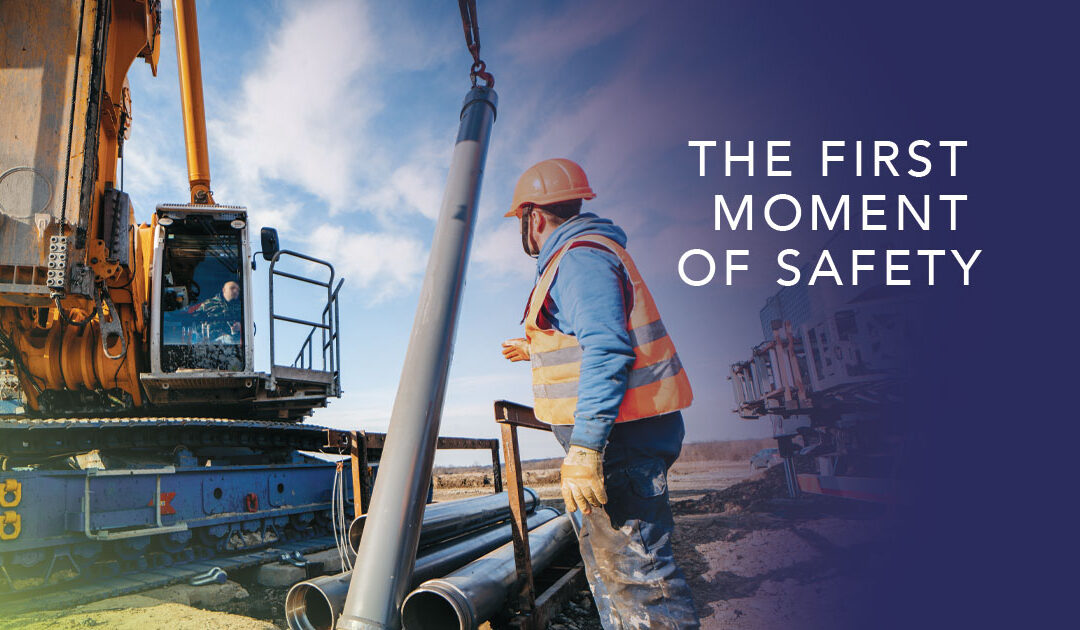
Safety does not begin with a policy. It does not begin with a safety meeting. It does not begin with a camera alert. Safety begins at a single moment: The instant a machine operator’s brain recognizes a human being. That moment is what the Hi-Visibility Pyramid is...