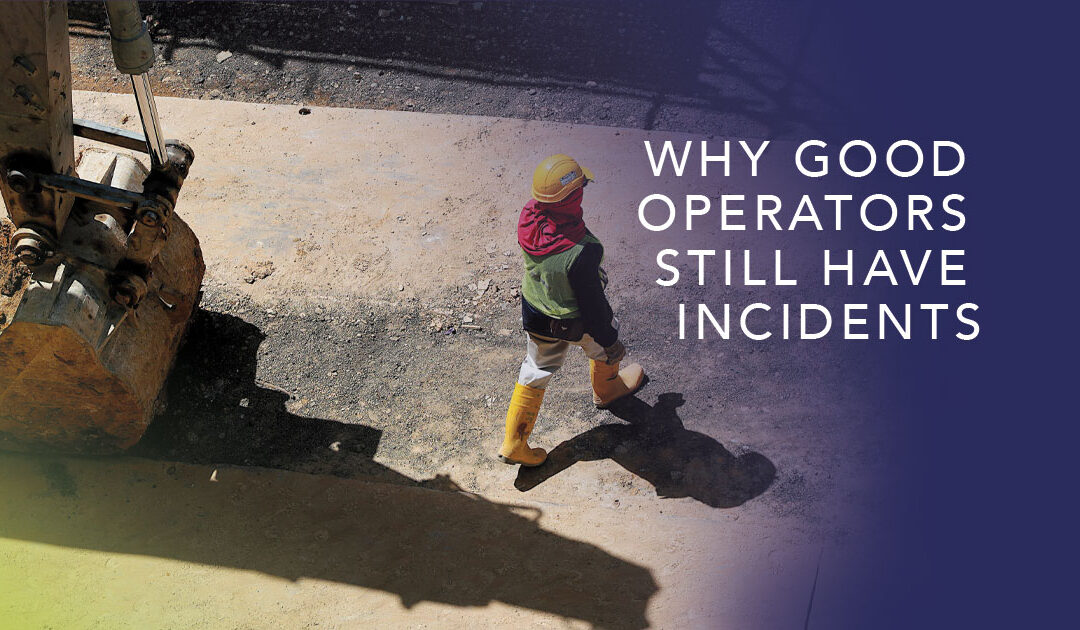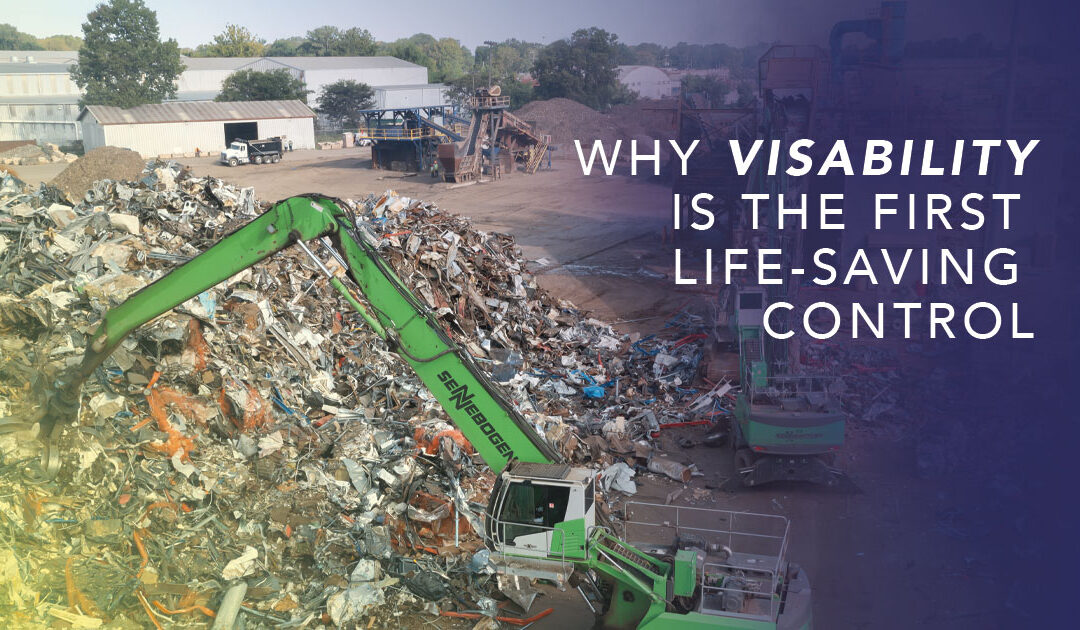
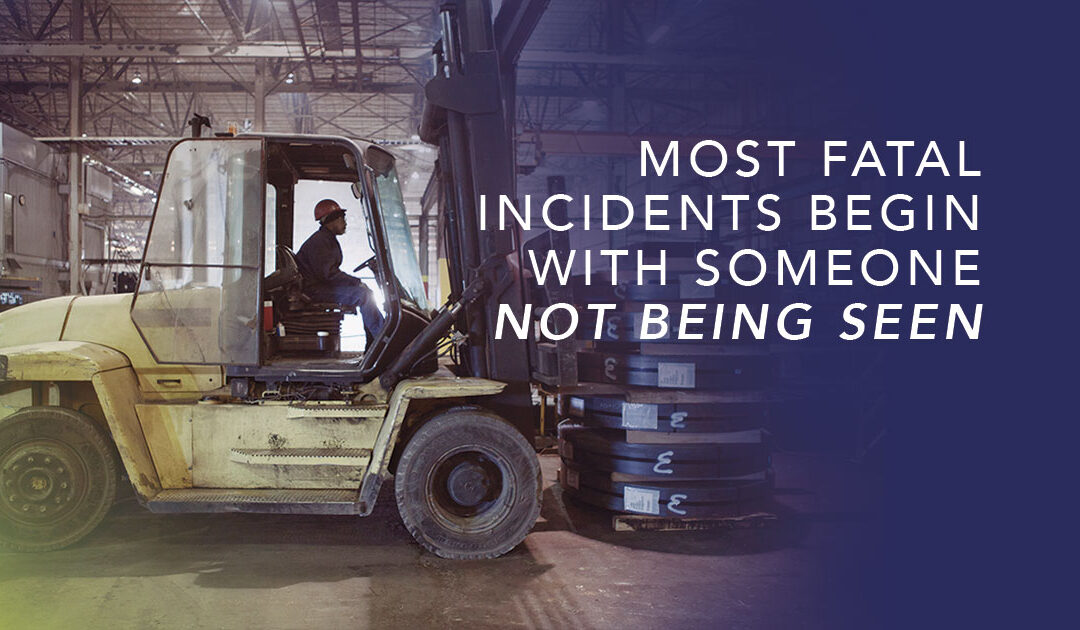
Most Fatal Incidents Begin With Someone Not Being Seen
Serious incidents are often explained after the fact with complex causes—procedural gaps, communication failures, weather, and/or equipment issues. But when you trace them back far enough, many begin with the same simple truth: Someone was not seen in time. In...
Reflective Striping Turns Shapes Into People
Color gets attention. Reflective striping creates recognition. In many struck-by incidents, operators report seeing something—but not realizing it was a person until it was too late. Reflective striping solves that problem by doing something critical: it turns...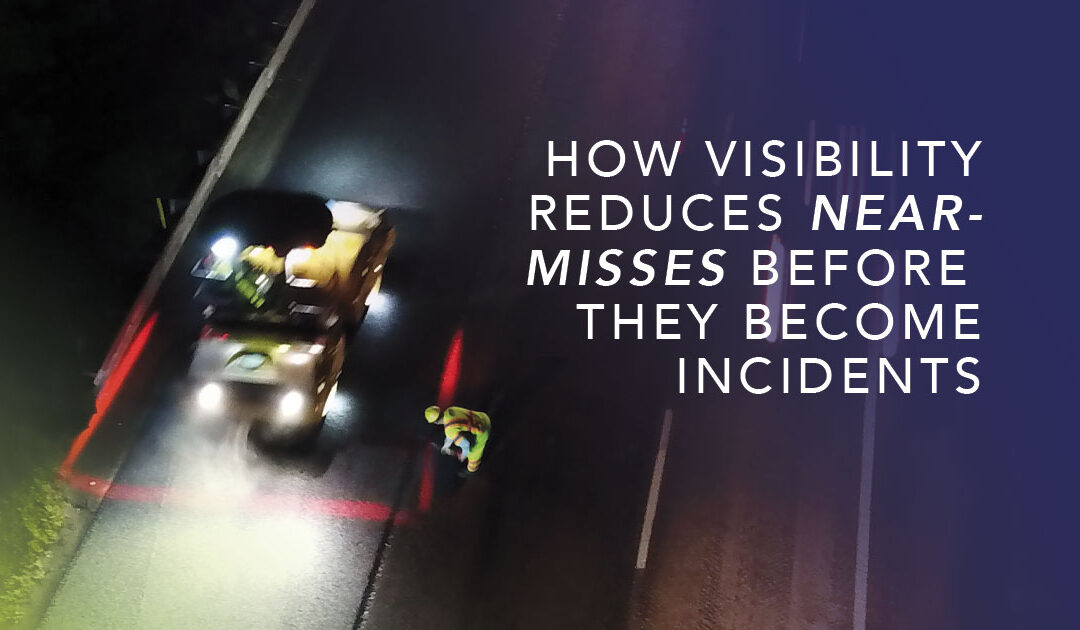
How Visibility Reduces Near-Misses Before They Become Incidents
Near-misses are not random events. They are early warnings. In mobile-equipment environments, most near-misses occur because recognition happens late. An operator sees movement at the last second. A pedestrian assumes they’ve been noticed. A vehicle or machine stops...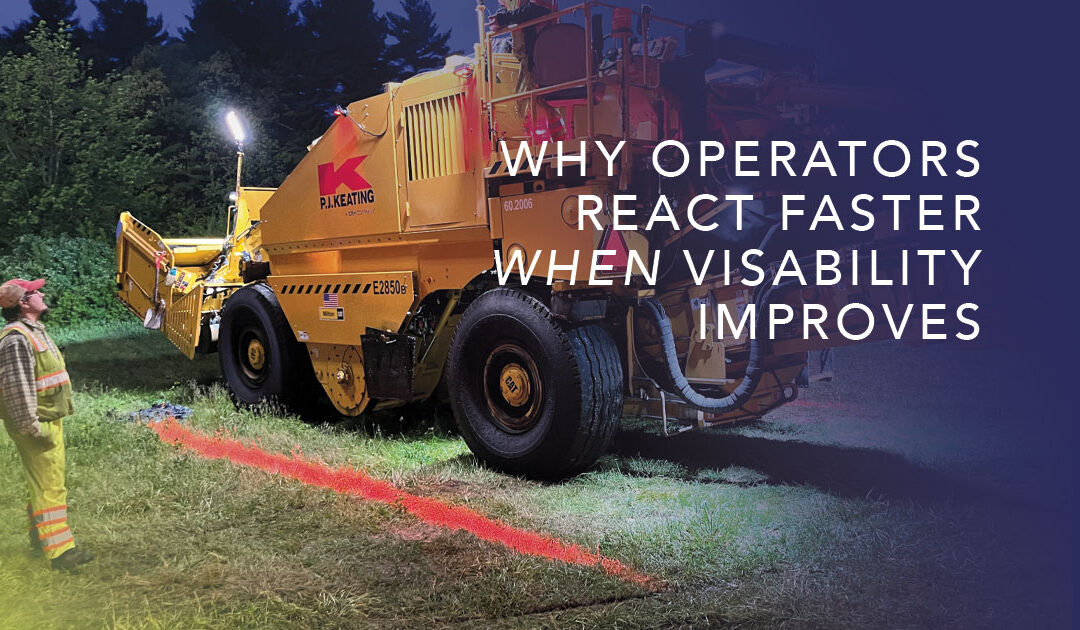
Why Operators React Faster When Visibility Improves
Reaction time is not just about skill or training. It’s about perception. Operators make hundreds of micro-decisions every shift. The quality of those decisions depends on how quickly the environment makes sense. High-visibility apparel simplifies that environment by...
Hi-Vis Apparel Is an Operational Control, Not Just PPE
Hi-vis apparel is often discussed as personal protective equipment. But in active work zones, it functions as something more important: an operational control. Operational controls shape how work flows. They influence timing, spacing, and decision-making. When...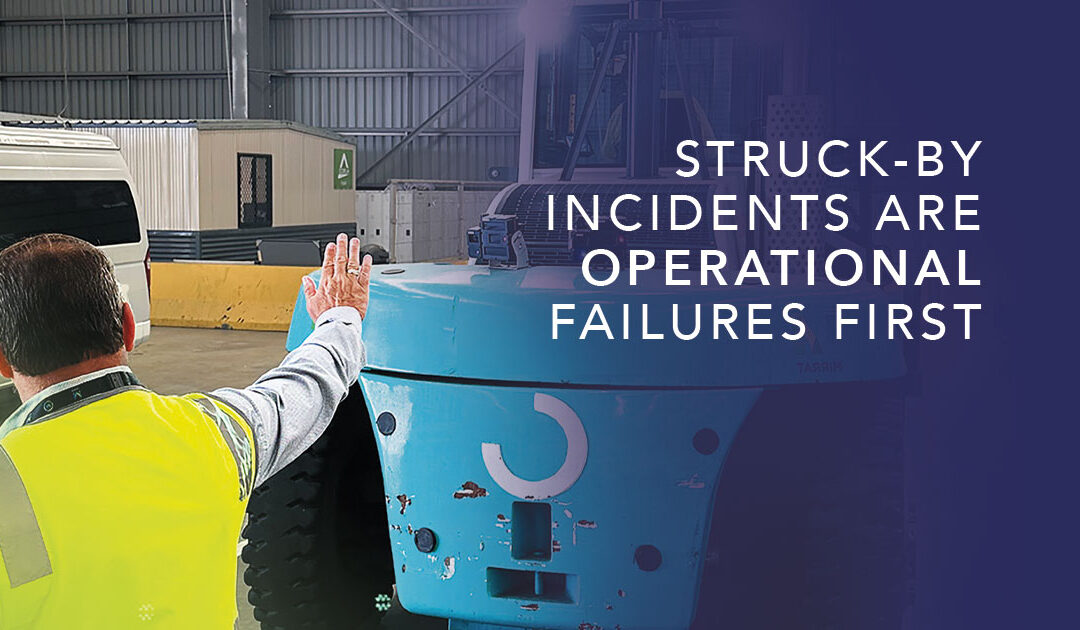
Struck-By Incidents Are Operational Failures First
Struck-by incidents are often labeled as safety failures. In reality, they are operational breakdowns with human consequences. They occur when: Movement is poorly coordinated Lines of sight are compromised Recognition happens too late Visibility directly addresses all...
The Question Nobody Asks After an Accident
After a pedestrian is struck by equipment, investigations begin immediately. The reports look familiar: training records operator certification procedures cameras alarms policies But there is one question almost never asked: Was the person clearly recognizable as a...
Hi-Vis Is Not a Uniform
Many companies treat high-visibility apparel as a dress code. Vest = compliant. No vest = violation. But high-visibility was never intended to be clothing policy. It is a recognition system. Operators do not identify workers by name, job title, or training level. They...