
Seen. Safe. Secure.
Visibility Saves Lives. Risk Reduction Follows.
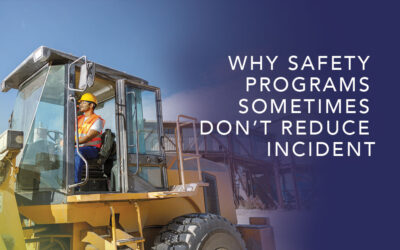
Why Safety Programs Sometimes Don’t Reduce Incidents
Many organizations do everything right: monthly safety meetings strong policies accountability discipline documented procedures Yet incidents still occur. This creates frustration because effort was real and commitment was genuine. The missing piece is often...
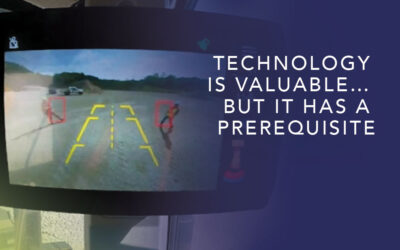
Technology Is Valuable… But It Has a Prerequisite
Modern equipment safety technology is impressive: cameras, detection systems, sensors, AI alerts. These tools help. But they are often expected to solve a problem they were never designed to solve. Technology assists operators. It does not replace human recognition....
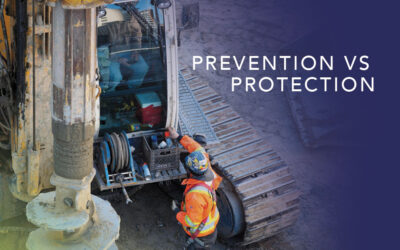
Prevention vs Protection
There are two kinds of safety: Protection safety — reducing injury severity Prevention safety — preventing the event Hard hats, steel toes, and guards protect. Recognition prevents. High-visibility belongs in prevention. The Hi-Visibility Pyramid helps organizations...
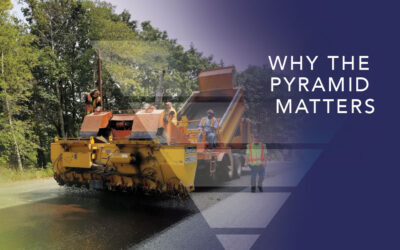
Why the Pyramid Matters
Companies often invest heavily in the top of safety: equipment systems, procedures, enforcement. But heavy-equipment environments operate on a simple reality: An operator cannot avoid what the brain has not yet identified. The Hi-Visibility Pyramid reframes safety...
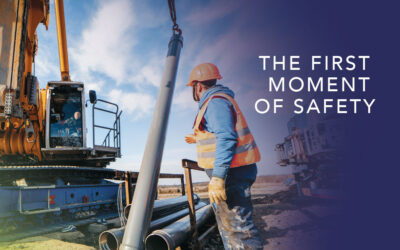
The First Moment of Safety
Safety does not begin with a policy. It does not begin with a safety meeting. It does not begin with a camera alert. Safety begins at a single moment: The instant a machine operator’s brain recognizes a human being. That moment is what the Hi-Visibility Pyramid is...
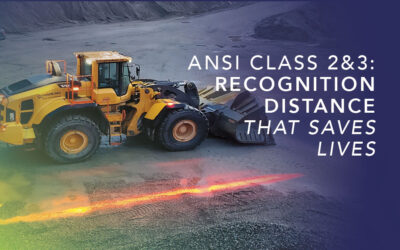
ANSI Class 2 & 3: Recognition Distance That Saves Lives
Not all hi-vis apparel is created equal.And in high-risk environments, the difference matters. ANSI Class 2 & 3 apparel is designed for situations where workers are exposed to traffic, heavy equipment, complex movement, and reduced visibility. Its purpose is...
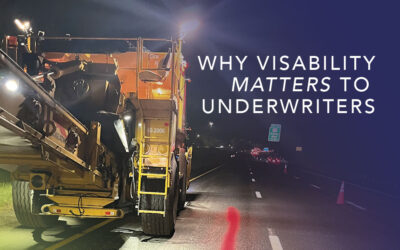
Why Visibility Matters to Underwriters
Insurance decisions are made long before a claim occurs. Underwriters evaluate risk by asking a simple question: How likely is a loss, and how severe could it be? Visibility directly affects both. In mobile-equipment environments, poor visibility increases the...
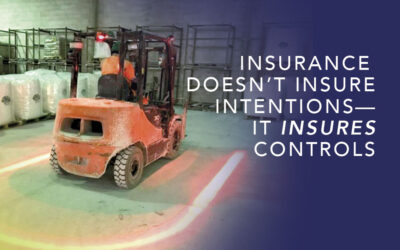
Insurance Doesn’t Ensure Intentions—It Ensures Controls
Policies, training manuals, and safety meetings matter. But insurance does not ensure good intentions. It ensures controls that reduce foreseeable risk. Visibility is one of the most visible—literally—controls an operation can implement. When ANSI Class 2 & 3...
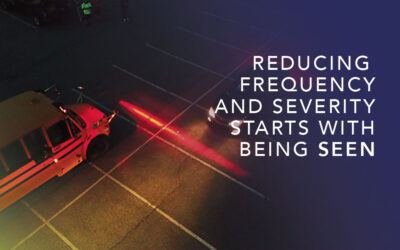
Reducing Frequency and Severity Starts With Being Seen
Insurance risk is shaped by two variables: frequency and severity. Visibility influences both. Earlier recognition of pedestrians reduces the likelihood of contact altogether, lowering incident frequency. When incidents do occur, earlier reaction time often leads to...
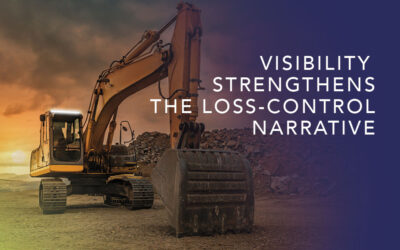
Visibility Strengthens the Loss-Control Narrative
Loss-control conversations are not about individual products. They are about demonstrating a philosophy of risk management. Visibility contributes to that narrative by showing: Proactive hazard recognition Consistent safety standards across operations Alignment...
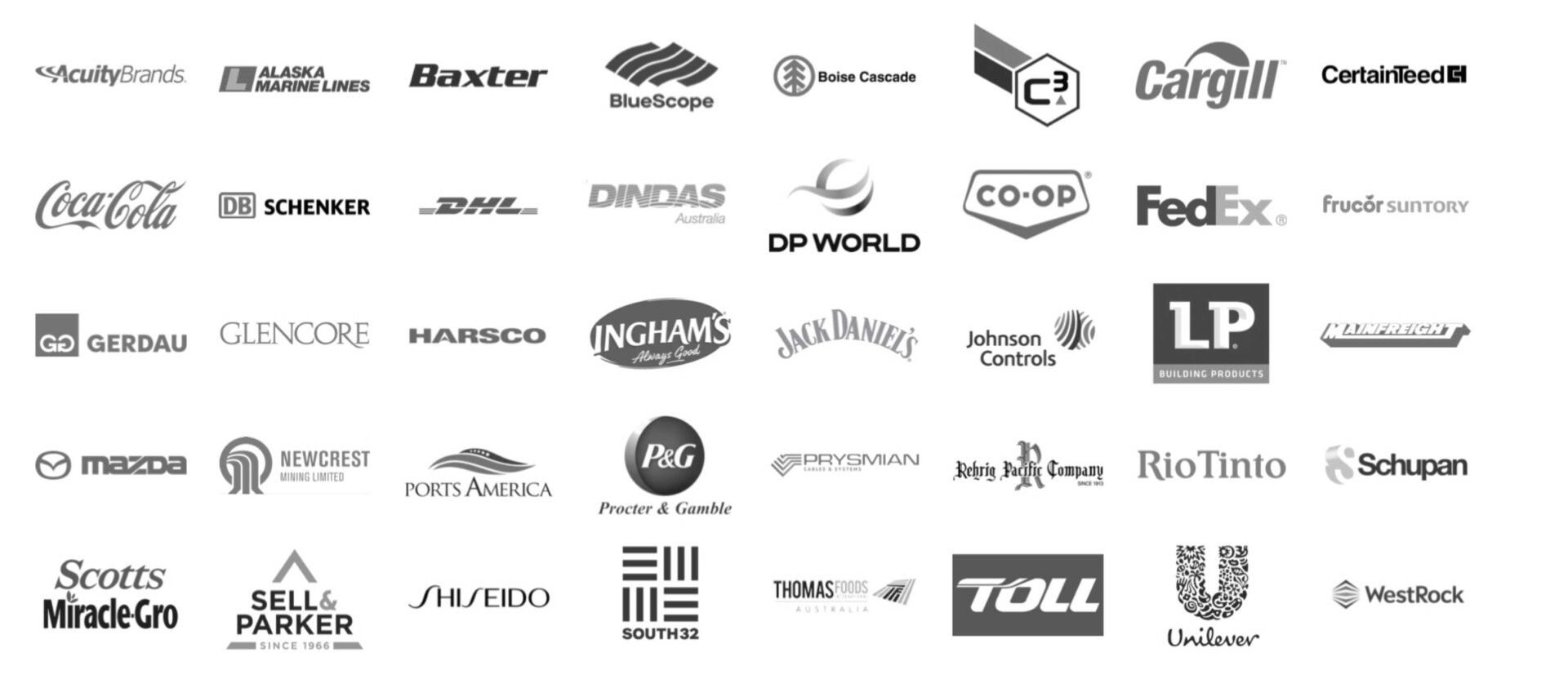
Companies using the SEEN safety system include:
Let's Connect
To learn more or connect with us, please click below…

Copyright © 2024 All Equipment Solutions - All Rights Reserved.